
Lavadora de plásticos
Proponente(s):
RECIMED
Finalizado:
07-May-2026
Ubicación:
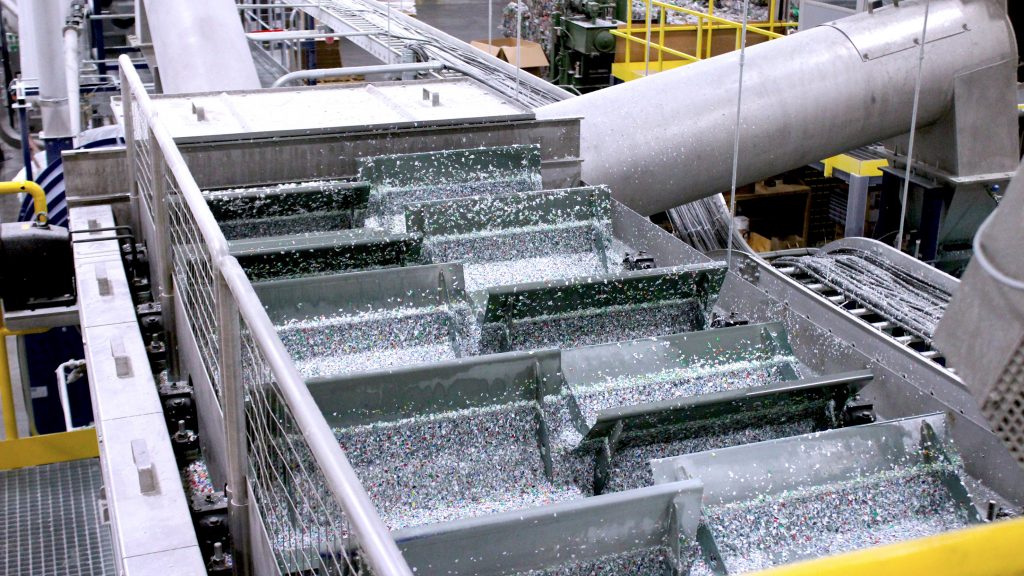 B+B Plant Construction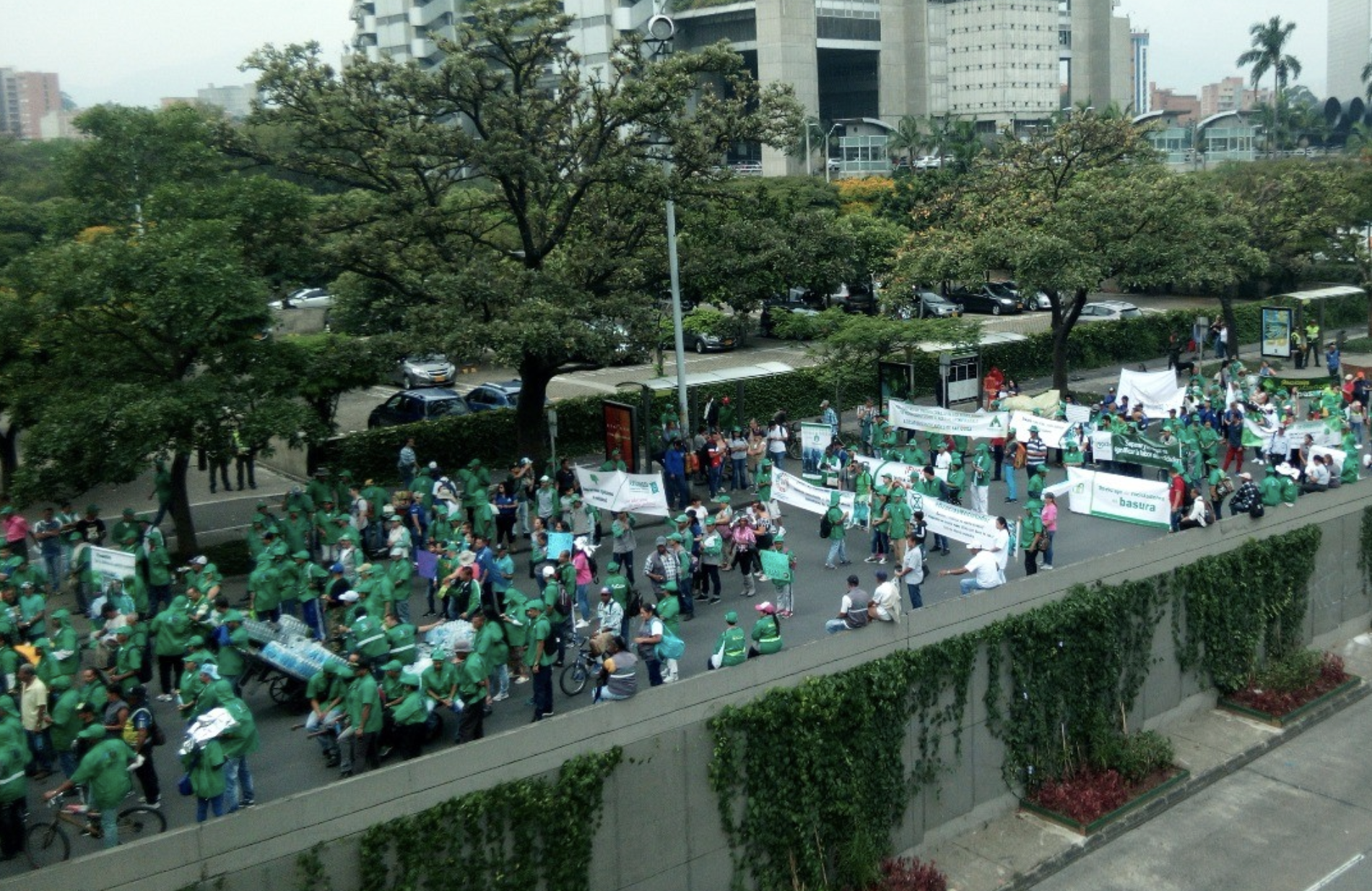
Créditos de la imagen: https://www.instagram.com/p/B9UtqVBp9EM/?hl=en
RECIMED
 https://reciclaje.com.co/Fecha de fundación: July 7, 2006
Objetivos de desarrollo sostenible
- Urbana
Zona
- Reciclaje
Sector económico
- Cooperativa
Tipo de organización
Descripción
La Cooperativa Multiactiva de Recicladores de Medellín “RECIMED” es una organización del sector solidario y cooperativo que desde el año 2006 (año de fundación), trabaja por la dignificación de la labor de los recicladores, impactando la calidad de vida de sus familias, y contribuyendo a la conservación del ambiente, ya que brinda soluciones ambientales eficientes, relacionadas con el manejo integral de los residuos sólidos, con calidad humana y compromiso, para que las empresas cumplan con la normatividad ambiental vigente y desarrollen acciones de responsabilidad social ambiental.
Servicios
- Servicio Público de aseo, en el componente de aprovechamiento.
- Manejo Integral de Residuos Sólidos.
- Ejecución de proyectos socioambientales.
- Valorización y comercialización de materiales reciclables.
- Tejido Verde (Es un proyecto de la Cooperativa RECIMED que busca desarrollar acciones que permitan generar alternativas de ingreso adicional para los recicladores de oficio, principalmente adultos mayores y mujeres cabeza de familia a través de la fabricación y comercialización de productos con elementos provenientes del reciclaje.)
Logo de Humanitarian Engineering, Colorado School of Mines

Ingeniería y Desarrollo Comunitario Sostenible
Escuela de Minas de Colorado
Carrera:
Ingenierías
Facultad:
Ingeniería Humanitaria
Docentes:
- Juan Lucena
Descripción:
Este curso es una introducción a la relación entre la ingeniería y el desarrollo comunitario sostenible (DCS) desde perspectivas históricas, políticas, ideológicas, éticas, culturales y prácticas. Los estudiantes estudiarán y analizarán diferentes dimensiones del desarrollo comunitario y sostenible, y el papel que la ingeniería podría desempeñar en ellas. Además, explorarán críticamente las fortalezas y limitaciones de los métodos dominantes en la resolución de problemas de ingeniería, el diseño y la investigación para trabajar en DCS. Los estudiantes aprenderán a investigar, describir, analizar y evaluar casos prácticos en DCS y a desarrollar criterios para su evaluación. Nota: En este curso, los estudiantes también tendrán una experiencia práctica con otro tipo de Diseño para DCS: Diseño Participativo, así como la creación de prototipos de soluciones para desafíos reales de una asociación colombiana de reciclaje. Este es un curso obligatorio para la especialización en Ingeniería para el Desarrollo Comunitario (DCC) y para el área de enfoque de DCS de la Licenciatura en Ingeniería de Diseño.
Temas:
- Aprendizaje Basado en Retos
- Fortalecimiento de Negocios
- Medio ambiente
- Reciclaje de residuos de construcción
- Reciclaje de residuos electrónicos
Pregunta orientadora
How can we implement a low-cost and sustainable system for washing and drying recycled plastic in-house at RECIMED using accessible materials and collected rainwater?
Ubicación: dónde se desarrolla este proyecto
Golden, Colorado, Estados unidosPor qué es importante o relevante el proyecto
Plastic recycling requires clean materials in order to produce usable recycled products, but outsourcing cleaning processes can increase costs, transportation needs, and processing time. RECIMED needed a more sustainable and affordable way to clean plastics directly at their facility. This project is important because it focuses on creating a practical solution that reduces resource use, lowers dependence on external facilities, and supports long-term community sustainability through accessible engineering design.
Reto: situación a cambiar, aprovechar o analizar durante tu proyecto
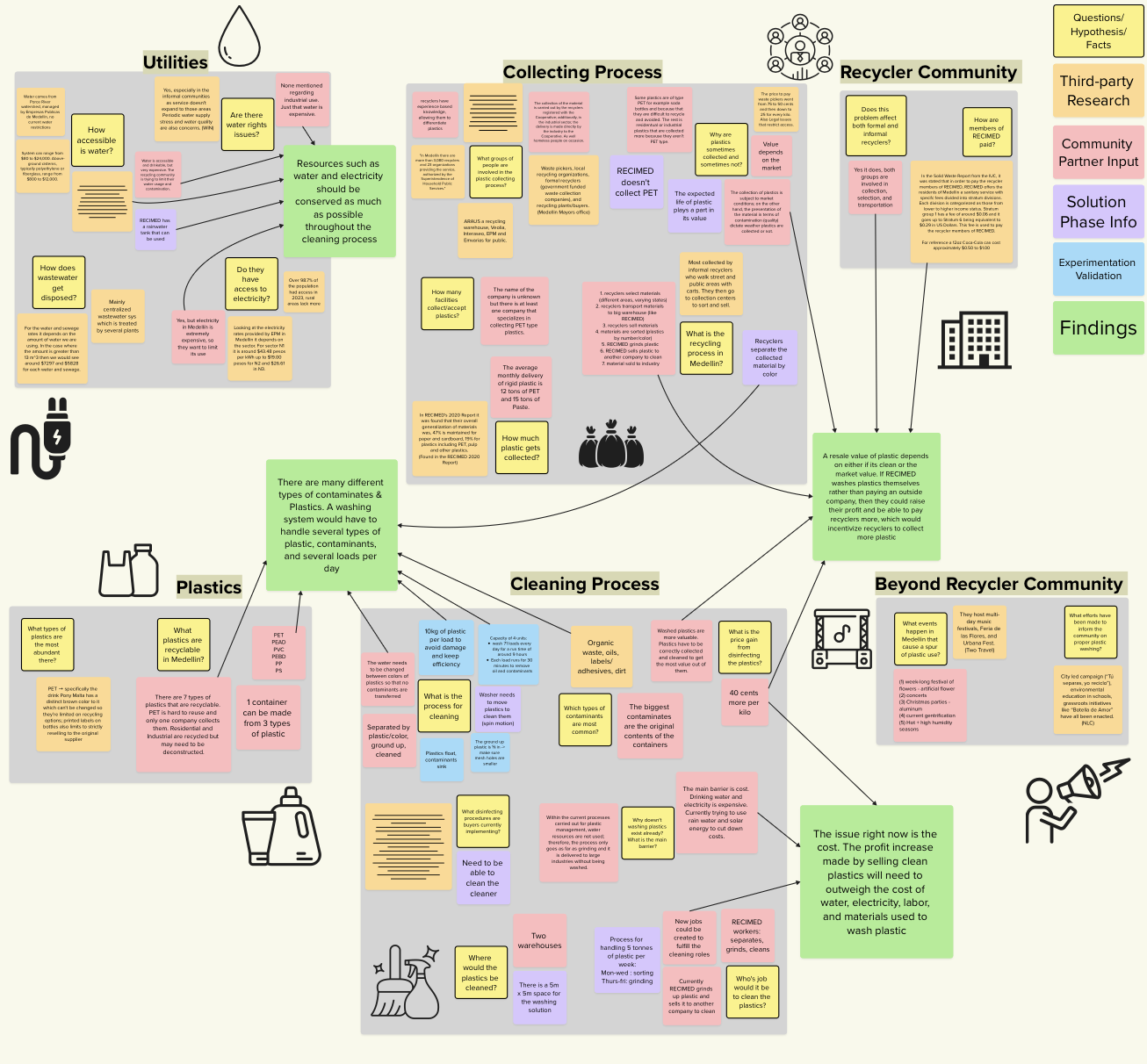
RECIMED currently grinds plastics in-house but relies on outside facilities to wash the material before reuse. The challenge was to design a cleaning and drying system that RECIMED could build and maintain themselves using commonly available materials, collected rainwater, and minimal energy use.
Objetivo principal de tu proyecto
The main objective of the project was to develop a low-cost, human-powered washing and drying system for recycled plastics that RECIMED could construct independently. The project aimed to benefit RECIMED by improving the efficiency and sustainability of their recycling process while reducing operational costs and reliance on external cleaning services.
¿Cómo vas a lograr el objetivo?
To achieve this objective, the team researched sustainable recycling and water reuse practices, explored low-energy mechanical cleaning systems, and designed a bike-powered washing and drying mechanism that uses collected rainwater. The final deliverable included a step-by-step construction guide using accessible materials so RECIMED could recreate, maintain, and adapt the system themselves.
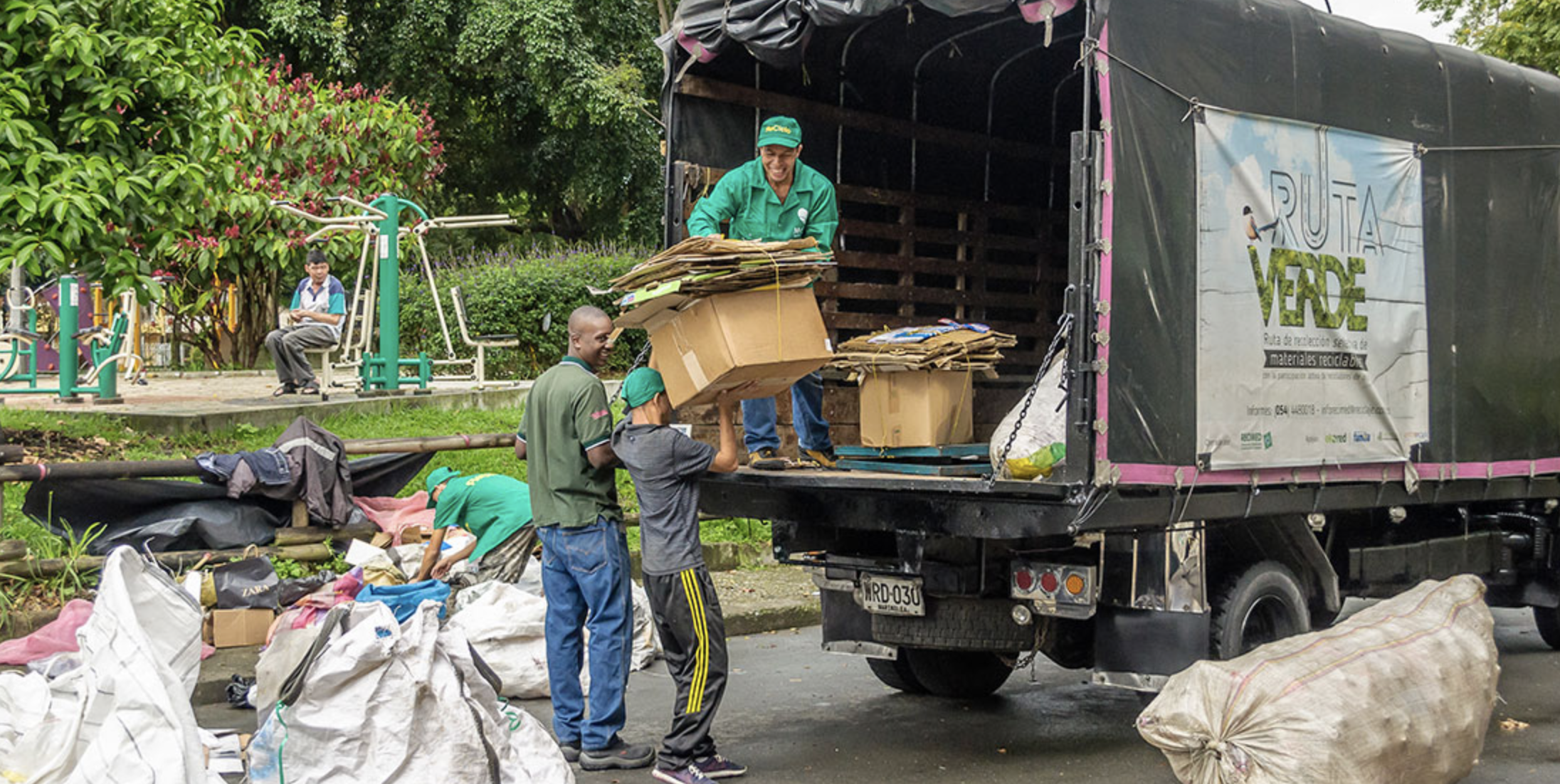
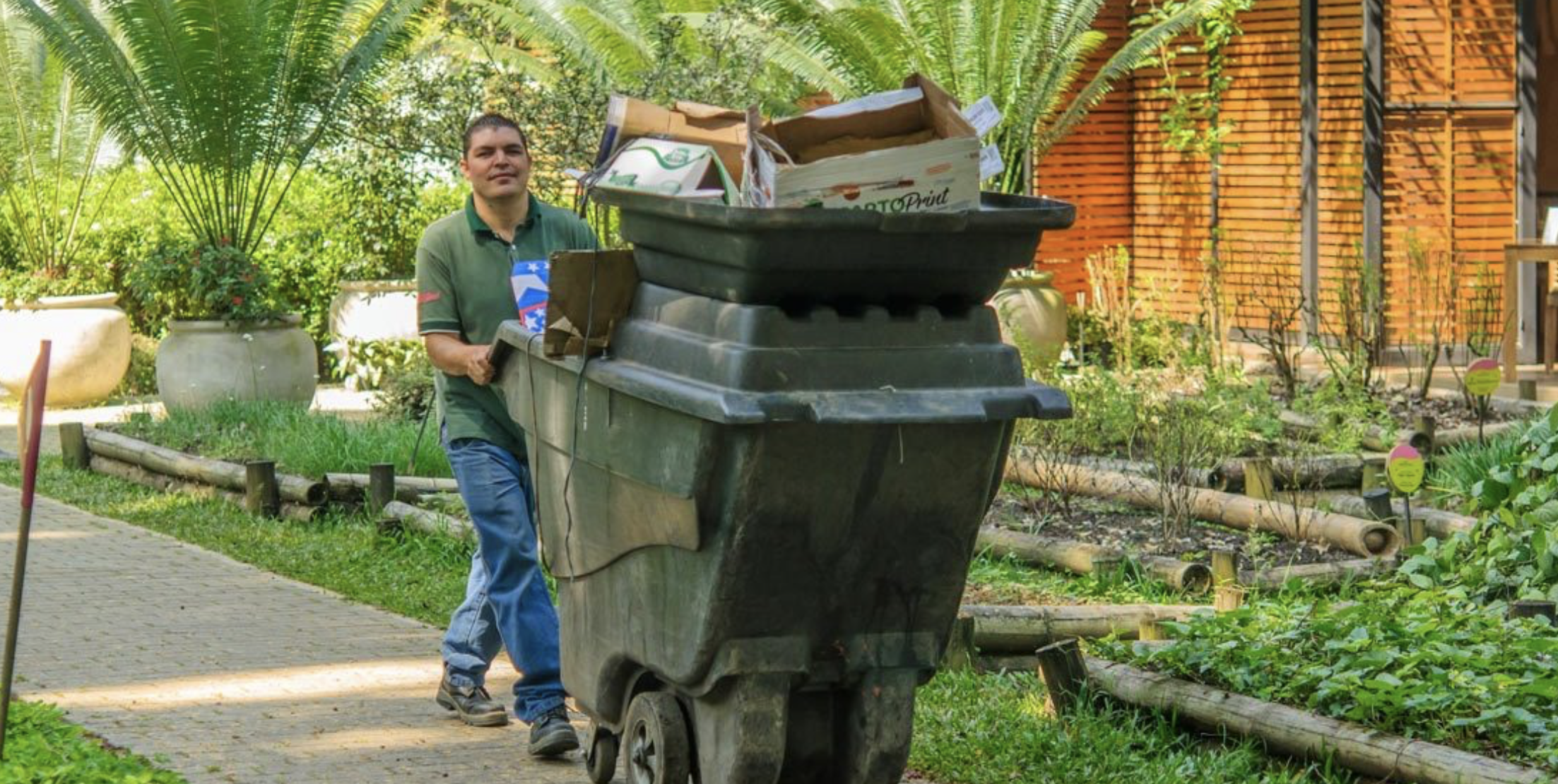
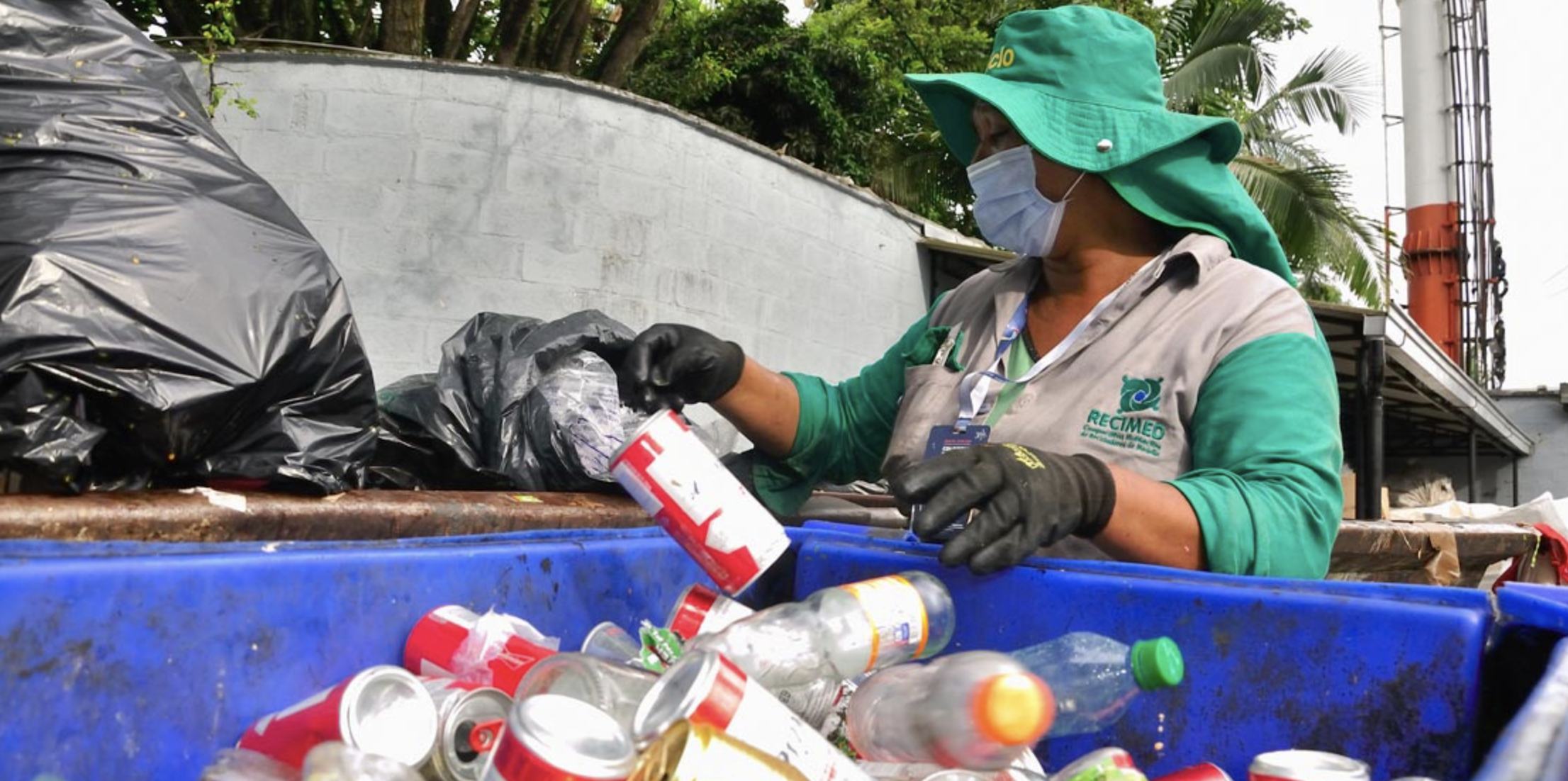
Fotografía de contexto
Actor/Cargo/Rol
| Actor | Cargo o rol | Actividad o cómo/porqué se involucró |
|---|---|---|
| Steve Dimas | Student | Colorado School of Mines |
| Grace Elbert | Student | Colorado School of Mines |
| Evelyn Martinez | Student | Colorado School of Mines |
| Gray Schaefer | Student | Colorado School of Mines |
| Luisa Hernandez | Facilitator | DIVERSE |
| Diego | Community Partner | RECIMED |
Nivel de participación del proponente
Nivel 1: proyecto en donde no participaron actores externos al equipo de trabajo. Nivel 2: proyecto en donde se contó con la participación de otros miembros de la comunidad a la que el equipo pertenece. Ejemplo: se hicieron validaciones con estudiantes de otras carreras. Nivel 3: se realizaron visitas y encuentros para conocer las percepciones, ideas y reali mentación de actores y comunidades externas. Ejemplo: se trabajó con comunidad cafetera. Nivel 4: el proyecto fue liderado conjuntamente por el equipo de trabajo y comunidades externas.
Nivel 3
Número de personas participantes:
Hallazgo/ Fuente/ Conclusión o influencia
| Hallazgo | Fuente | Conclusión |
|---|---|---|
| Outsourcing cleaning to external facilities decreases revenue within RECIMED | Diego, RECIMED | Developing an internal cleaning system could increase RECIMED earnings and allow for increased worker wages or more money invested into RECIMED. |
| Washing plastics before recycling removes contaminants that can lower recycling quality. | EPA. | RECIMED implementing a washing stage before outsourcing the ground plastic helps improve cleanliness and material quality. |
| Rainwater harvesting systems are commonly used to reduce dependence on treated water supplies. | U.S. Department of Energy | Using collected rainwater like RECIMED for washing plastics makes the system more sustainable and reduces water use costs. |
| Human-powered mechanical systems can reduce energy use while still performing basic physical tasks effectively. | https://doaj.org/article/56ee31fe0ee2416c979aaaf807807299? utm_ | The bike-powered washing and drying system eliminates electricity use, a major concern for RECIMED as energy costs are particularly high in Medellín. |
| Community-based research engineering projects are more sustainable when users can repair, rebuild, and maintain systems themselves. | https://www.uwe.ac.uk/research/centres-and-groups/scu/projects/makers? utm_ | Providing RECIMED with a guide helps them rebuild, repair, and continue using the system without relying on external actors and helps establish independency. |
Hallazgo/ Fuente/ Conclusión o influencia
| Hallazgo | Fuente | Conclusión |
|---|---|---|
| The implementation of rainwater collection systems reduces total water consumption; when RECIMED carried out this measure in 2020, average water consumption dropped from 17 to 14 cubic meters. | External research and community partner | Plastic cleaning costs could be reduced if we consider the implementation of rainwater collection systems. |
| There are many different types of pollutants and plastics: from organic matter and oils, to even different types of plastics and colors that act as pollutants. | External research and community partner | A washing system would have to process various types of plastic and pollutants so as not to affect the plastic before and after grinding. |
| The resale value of the plastic depends on whether it is clean or its market value. The expected useful life of plastic influences its value. | External research and community partner | If RECIMED washes plastics itself instead of paying an external company, it could increase its profits and pay more to recyclers, which would encourage them to collect more plastic. |
| Currently, RECIMED sells contaminated plastic for about 40 cents per kilo. The problem right now is the cost. | Community partners | The increase in profits derived from the sale of clean plastics must exceed the cost of water, electricity, labor and the materials used to wash the plastic. |
Pasos
A student-led project in collaboration with RECIMED focused on designing a simple, low-cost plastic washing system to improve the quality and recyclability of recovered plastics. The goal is to create an accessible solution that supports safer, more efficient recycling processes in local communities.
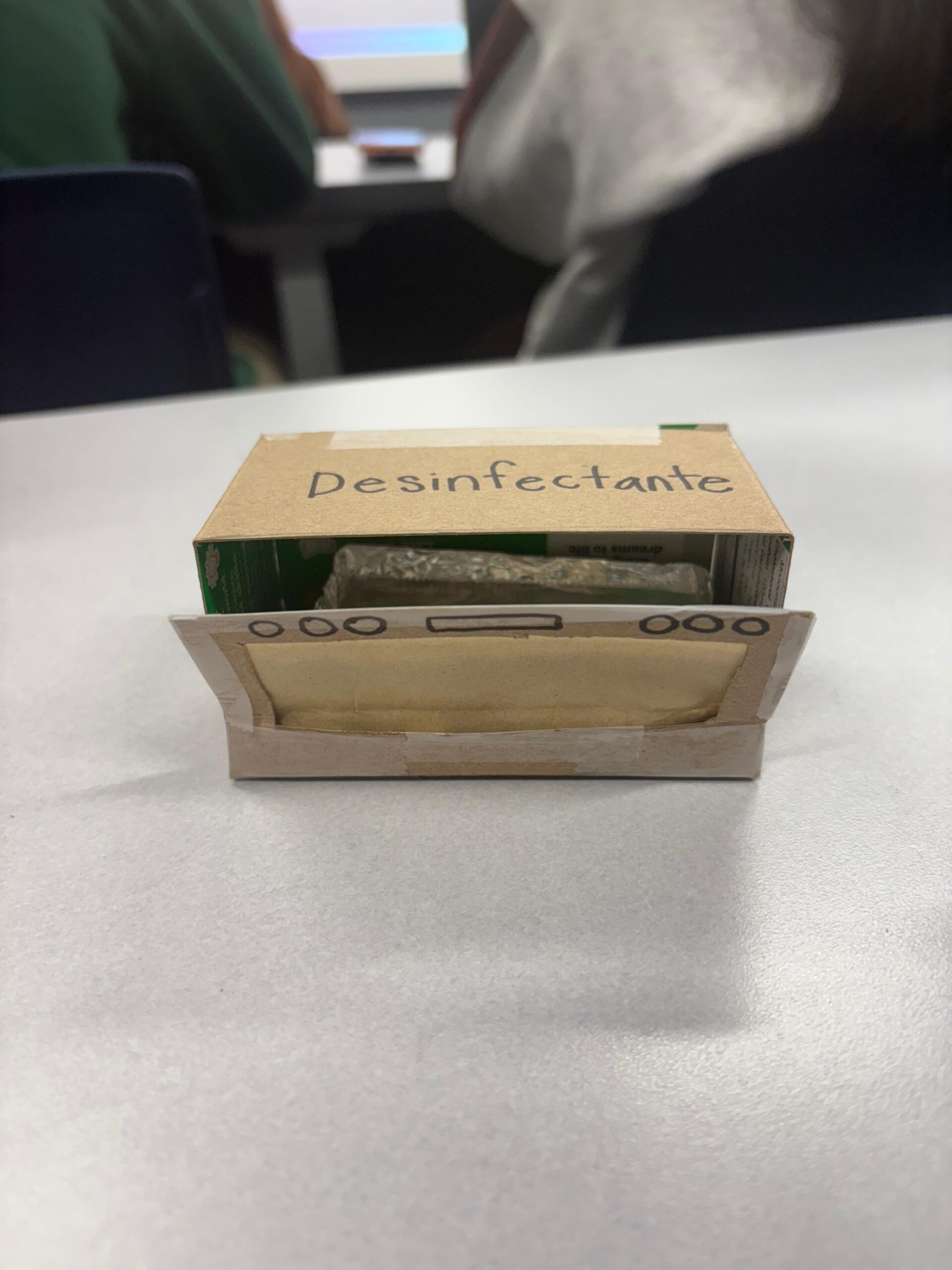
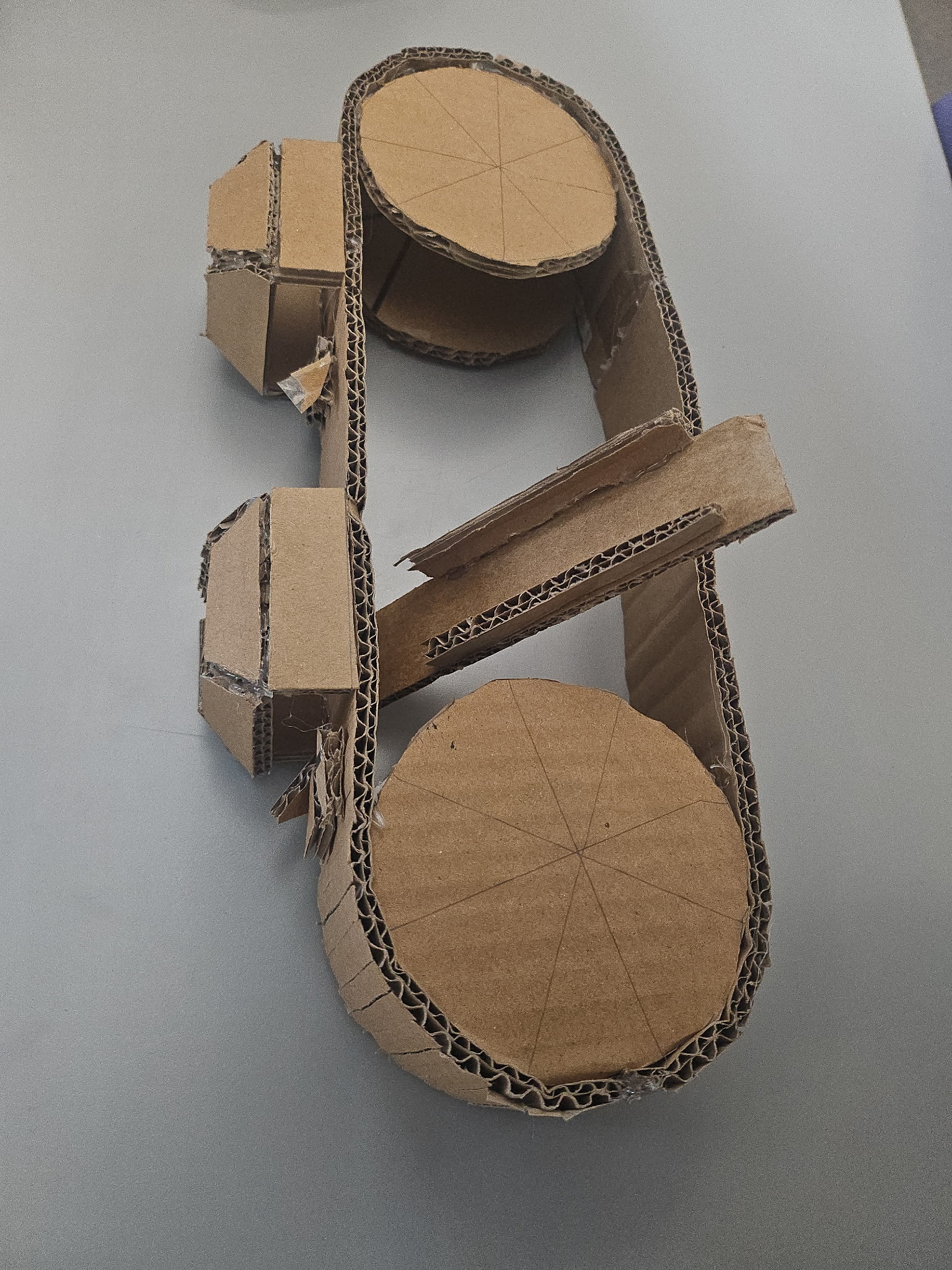
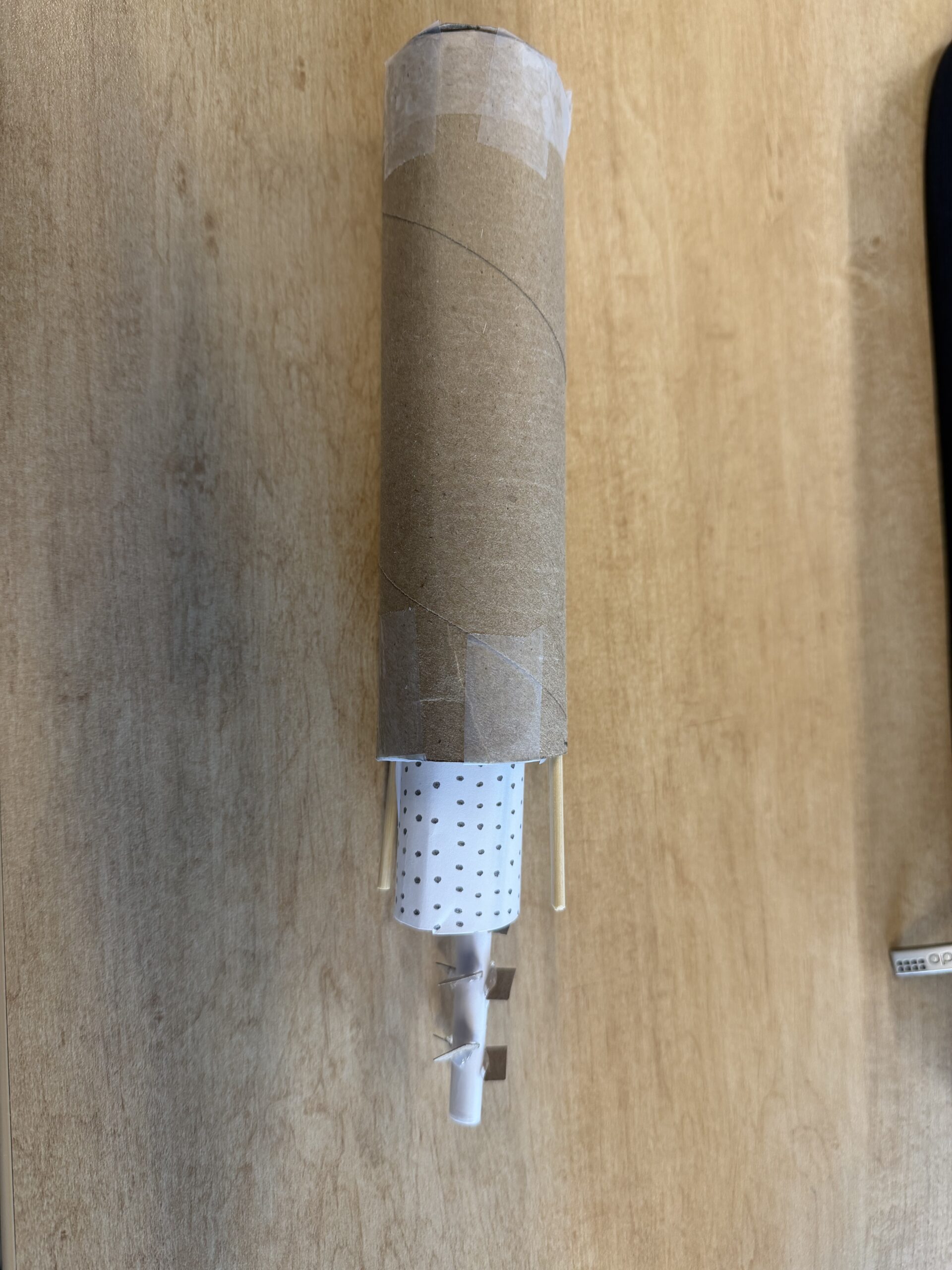
Our process started with understanding the recycling in Medellín, Colombia and the constraints faced by recyclers and partners at RECIMED. We then brainstormed and evaluated multiple concepts within the criteria we established through conversations with RECIMED and external research. Through low-fidelity, conceptual prototyping, we explored different approaches to cleaning and separating plastics, as shown in the photos provided.
Fotografía del proceso o el equipo de trabajo

Resultado
Bicycle Plastic Washing MachineDescripción
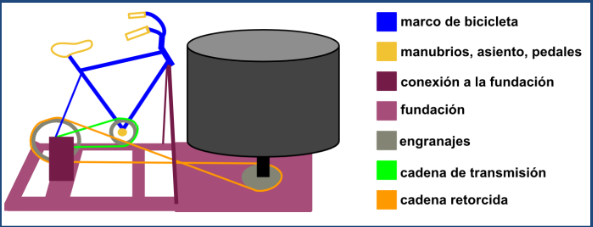
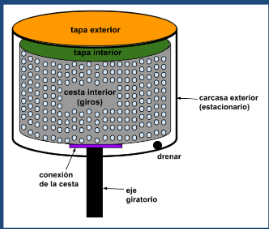
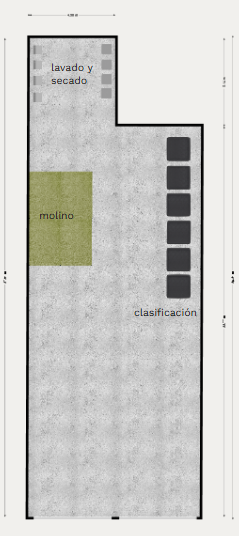
Our group created a bicycle powered washing machine to clean the plastic grinds from contaminates, using collected rainwater as the source of water and centrifugal force to separate the contaminates. We also proposed a new layout idea for the warehouse of RECIMED to contain the least amount of foot traffic as possible.Conclusiones
- Our design proposal is 100% free of electricity.
- Our design proposal utilizes the heavy rainwater experienced in Medellin.
- Our design proposal created new opportunities for jobs as well as increased the value of plastics recycled at RECIMED.
- Our Layout will provide an efficient system with a reduction in risks with foot traffic interference.
Sintetiza y comunica lo esencial a audiencias interesadas
| Audiencia | Posible uso de los resultados | Información clave |
|---|---|---|
| RECIMED | Further experimentation | The possible uses will be to further experiment with the idea and create new findings for a final proposal |
| Future Groups | Motor Powered Plastic Washer | Take the time to research and figure out if a motor powered version may benefit rather than a bike powered version. |
Enlace con documentación detallada
https://drive.google.com/drive/folders/1c4ZSKss4FtVtEn-wgu50SpifVwxomkuE?usp=sharingFotografía de la solución o los resultados
Fortalezas
Our results propose a completely energy free system as well as a safer environment for the recycling of plastic in RECIMED. The bicycle powered plastic washer uses man power to clean plastic grinds from contaminates with recycled rainwater as its source of water, creating jobs for members in the community and improving profits for recyclers and RECIMED. Our layout proposal allows for simple and yet an effective solution to reduce the risks of recycling at RECIMED
Debilidades
Our results are based on the functionality of manual power and so industrializing our design to be able to handle metric tons of plastic will be a challenge to overcome but is an area of improvement. Also the proposed layout of the warehouse is only achievable if the grinder is moved to another section.
Oportunidades
Our results are easy to understand with the use of our manuel, by experimenting with the design proposal it will be enhanced to reach the industrial size that RECIMED requires. Our design proposal uses many components that can be recycled and easily found as well as allowing the design to be replicable at a large scale.
Amenazas
By improving the design proposal to deal with high amounts of work demand and be able to keep up with RECIMED’s recycling process with some effort taking the size of the design as well as the power source into account will allow the design to be enhanced. The layout is clear and simple and can reduce the risk of people running into each other. So by following our layout and experimenting with new layouts will show improvement.
Nivel de Novedad
Fase 1: Solución que no se había hecho antes en este contexto. Fase 2: Es la continuidad, mejora o iteración de una solución que ya se había hecho antes en este contexto. Fase 3: la solución ya se había hecho en este contexto pero este proyecto presenta un nuevo enfoque. Fase 4: Se desconoce si esta solución y se había intentado en este contexto
Fase 1Novedad
The Novelty we were working on was the Phase 1 stage where no solution was implemented with the problem RECIMED faced. We took into account many issues that the project partners gave to us and thus returned questions to close in on the solution. We created prototypes and received feedback on what areas of interest the partners looked forward to and what needed adjusting. At the end of the phase we proposed a solution that is going to be tested into the further phases with adjustments or redirection.
Alcance
Nivel 1: los resultados son ideas exploratorias iniciales Nivel 2: los resultados presentan un avance pero aún no se pueden usar o no son implementables Nivel 3: lo resultados ya se pueden usar o son imple-entables
Nivel 1Siguientes tres retos u oportunidades sugeridas
Energy Source
- In this section the future groups should take a chance to do research and understand the results of the design’s tests and discover if the proposed design and an alternative source of energy would be better suited for RECIMED.
Water Source
- In this section the future group should take a chance to create tests for the water source of the design proposal by checking if rainwater is a stable source for RECIMED or if another plan of action should be taken.
Layout Redesign
- In this section the future group should take a chance to analyze the results of the layout tests and either enforce the results and proposal or create a new layout with enhanced functionality.
Gray Schaefer,
Student Researcher
Steve Dimas,
Student Researcher
Grace Elbert,
Student Researcher
Evelyn Martinez,
Student Researcher